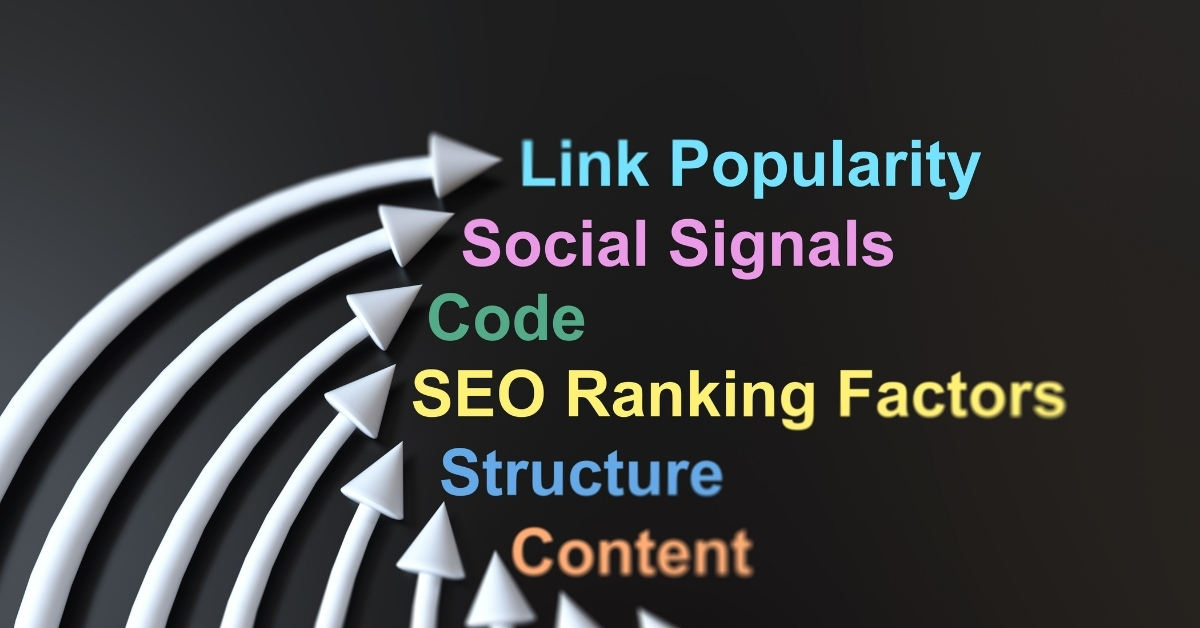
Search Engine Optimization (SEO): A Complete Guide to Understanding Modern Website Optimization
Understanding How Search Engines Drive Digital Visibility
Search engines have become the primary gateway for discovering information, services, and products on the internet. Every day, billions of searches occur as users look for answers, compare products, and find businesses. For website owners and digital marketers, appearing prominently in search results is no longer optional—it is essential for sustainable online visibility.
Search Engine Optimization (SEO) is the strategic process of improving a website’s visibility within organic search results. When implemented correctly, SEO helps search engines understand a website’s content, relevance, and authority, enabling it to rank higher for relevant queries.
According to Wikipedia, SEO involves a wide range of techniques that improve a website’s presence in search engines without relying on paid advertisements. These techniques include technical optimization, content improvements, link building, and user experience enhancements.

Modern SEO practices are also guided by principles outlined by platforms such as Google Search Central, which provide official guidance on how websites can improve their visibility while maintaining high-quality user experiences.
This guide explores the foundational principles of SEO, how search engines work, why optimization matters, and how websites can implement effective strategies for long-term growth.
What Is Search Engine Optimization (SEO)?
Search Engine Optimization refers to the systematic process of improving a website’s structure, content, and authority to increase its visibility in search engine results pages (SERPs).
The primary objective of SEO is to attract relevant organic traffic from search engines such as Google, Bing, and Yahoo without relying on paid advertising campaigns.
Core Objectives of SEO
SEO strategies typically focus on several major goals:
- Increasing organic search visibility
- Driving targeted website traffic
- Improving website credibility and authority
- Enhancing user experience and accessibility
- Generating leads, conversions, and brand awareness
SEO is not a single tactic but a combination of technical improvements, content strategies, and authority-building methods that work together to enhance a website’s overall search performance.
How Search Engines Work
Understanding how search engines function is essential for implementing effective optimization strategies.
Search engines operate using three main processes:
- Crawling
- Indexing
- Ranking
Search Engine Process Overview
| Stage | Description | Purpose |
|---|---|---|
| Crawling | Search engines discover web pages using automated bots | Identify new and updated pages |
| Indexing | Content is stored and analyzed in a search database | Understand page content and relevance |
| Ranking | Algorithms evaluate pages and determine their order in results | Deliver the most relevant results |
Each stage plays a critical role in determining whether a website appears in search results and how prominently it ranks.
Why SEO Matters for Websites
SEO has become one of the most powerful long-term marketing strategies for digital businesses. Unlike paid advertising, organic search visibility can continue generating traffic for months or even years after content is published.
Major Benefits of SEO
SEO delivers several strategic advantages for websites and online businesses.
1. Sustainable Organic Traffic
Organic search traffic represents users actively looking for solutions or information. This makes it one of the most valuable traffic sources because visitors arrive with clear intent.
2. Higher Credibility and Trust
Users generally trust organic search results more than advertisements. Websites appearing on the first page of search engines often gain increased credibility and authority in their industry.
3. Cost-Effective Marketing
Although SEO requires time and expertise, it often delivers a higher return on investment compared to continuous paid advertising campaigns.
4. Improved User Experience
Many SEO practices also improve website usability, including faster loading times, better navigation, and mobile optimization.
Key Components of SEO
SEO can be divided into several major categories. Each component contributes to a website’s overall search visibility.
Main SEO Components
| SEO Component | Focus Area | Key Activities |
|---|---|---|
| On-Page SEO | Content optimization | Keyword usage, headings, internal links |
| Technical SEO | Website infrastructure | Site speed, crawlability, indexing |
| Off-Page SEO | External authority | Backlinks, brand mentions |
| Local SEO | Geographic visibility | Location signals and local listings |
| Content SEO | Information value | High-quality articles and guides |
These components work together to improve how search engines evaluate and rank websites.
On-Page SEO Fundamentals
On-page SEO focuses on optimizing individual pages so that search engines clearly understand the content and relevance of the information presented.
Important On-Page Elements
Several page-level elements directly influence search rankings.
Title Tags
Title tags are one of the most important ranking factors. They inform both search engines and users about the topic of a webpage.

Example structure:
Primary Keyword | Supporting Topic | Brand Name
Meta Descriptions
Meta descriptions provide a summary of page content in search results. Although they are not direct ranking factors, well-written descriptions improve click-through rates.
Header Tags
Header tags structure content logically for both users and search engines.
Common hierarchy includes:
- H1: Main topic
- H2: Major sections
- H3–H6: Supporting subsections
Keyword Placement
Effective keyword placement ensures that search engines understand the main subject of the page without over-optimization.
Important locations include:
- Title
- Introduction
- Subheadings
- Image alt text
- Content body
Technical SEO Foundations
Technical SEO ensures that search engines can properly crawl, index, and understand a website.
Without proper technical optimization, even high-quality content may struggle to rank in search results.
Critical Technical SEO Factors
| Technical Factor | Impact |
|---|---|
| Website Speed | Faster pages improve rankings and user experience |
| Mobile Optimization | Essential for mobile-first indexing |
| Secure HTTPS Protocol | Improves trust and security |
| Structured Data | Helps search engines interpret page content |
| XML Sitemap | Guides search engine crawlers |
Technical SEO creates the infrastructure that allows content to be discovered and ranked effectively.
The Role of Content in SEO
Content is often considered the foundation of successful SEO strategies. Search engines aim to provide users with the most relevant and helpful information for their queries.
Characteristics of High-Quality SEO Content
Effective SEO content typically demonstrates several qualities:
- Clear topical relevance
- Comprehensive information
- Logical structure
- Accurate data and examples
- Strong readability
High-quality content also satisfies search intent, meaning it answers the question or solves the problem that motivated the user’s search.
Understanding Search Intent
Search intent refers to the underlying reason behind a user’s search query.
Identifying search intent allows content creators to produce material that aligns with user expectations.
Types of Search Intent
| Search Intent | Description | Example |
|---|---|---|
| Informational | Users seek knowledge or answers | “What is SEO?” |
| Navigational | Users want a specific website | “Google Search Console login” |
| Transactional | Users intend to purchase | “Buy SEO tools” |
| Commercial Investigation | Users compare options | “Best SEO software” |
Successful SEO strategies match content format with user intent.
Off-Page SEO and Website Authority
Off-page SEO focuses on signals that occur outside the website but influence search rankings.
The most significant factor in off-page SEO is backlinks—links from other websites pointing to your content.
Why Backlinks Matter
Search engines interpret backlinks as indicators of trust and authority.
However, not all links carry equal value. High-quality backlinks from reputable websites have a stronger impact than large volumes of low-quality links.
Important Off-Page SEO Signals
- Editorial backlinks
- Industry citations
- Brand mentions
- Social engagement
- Digital PR coverage
Building authority through off-page SEO requires consistent outreach, high-quality content, and credible relationships within an industry.
SEO vs Paid Search
Many businesses compare SEO with paid search advertising when planning their digital marketing strategies.
Key Differences
| Feature | SEO | Paid Search |
|---|---|---|
| Traffic Source | Organic search results | Paid advertisements |
| Cost Model | Long-term investment | Pay-per-click |
| Speed | Gradual growth | Immediate visibility |
| Sustainability | Long-lasting results | Stops when ads stop |
Most successful digital strategies combine both approaches, using paid campaigns for quick results while building long-term organic visibility through SEO.
Common SEO Mistakes to Avoid
Despite the widespread availability of SEO resources, many websites still make fundamental optimization mistakes.
Frequent SEO Errors
- Ignoring search intent
- Publishing thin or low-quality content
- Overusing keywords unnaturally
- Neglecting mobile optimization
- Poor internal linking structure
- Slow page loading speeds
Avoiding these mistakes significantly improves the chances of achieving sustainable search visibility.
Measuring SEO Success
SEO performance must be monitored regularly using analytics tools and performance metrics.
Key SEO Metrics
| Metric | Purpose |
|---|---|
| Organic Traffic | Measures visitors from search engines |
| Keyword Rankings | Tracks search position improvements |
| Click-Through Rate (CTR) | Indicates search result engagement |
| Bounce Rate | Shows user engagement with content |
| Conversion Rate | Measures business impact |
Tracking these metrics helps businesses refine their optimization strategies and identify growth opportunities.
The Long-Term Nature of SEO
Unlike short-term marketing tactics, SEO is a long-term investment that builds momentum over time.
Search engines evaluate websites based on consistent signals of relevance, quality, and authority. As a result, SEO strategies often require patience and continuous improvement.
Why Long-Term SEO Matters
Long-term SEO strategies typically produce:
- compounding traffic growth
- stronger brand authority
- stable lead generation
- reduced reliance on advertising
Organizations that commit to ongoing optimization often achieve sustainable competitive advantages in search results.
Conclusion
Search Engine Optimization remains one of the most influential digital marketing strategies for building sustainable online visibility. By improving website structure, publishing high-quality content, and building authoritative signals, businesses can increase their presence in search results and reach highly targeted audiences.
Understanding how search engines crawl, index, and rank content provides the foundation for effective optimization. From technical infrastructure to content relevance and backlink authority, every aspect of SEO contributes to a website’s long-term success.
As search algorithms continue evolving, successful SEO strategies will focus not only on ranking factors but also on delivering meaningful value to users. Websites that prioritize quality, relevance, and usability will continue to perform strongly in organic search environments.
This article serves as the foundation of the SEO topical cluster, introducing the essential principles of search engine optimization. The following articles in this cluster will explore deeper aspects of SEO strategy, technical implementation, and advanced optimization techniques that contribute to long-term search performance.